
Evidence based teaching boosts reading and thinking!
Teach students the tools they need to make the right decoding choices.
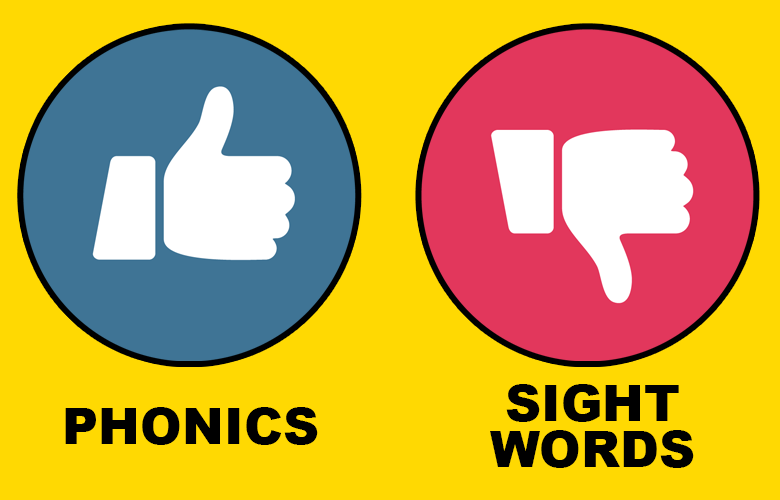
Effective, accurate readers make evidence-based decisions in sounding out words. Children learn to decode words by consistently making the right phonetic choices. This decision-making improves their ability to learn in all subject areas.
As a reading teacher and author, I am tired of and angry about hearing students tell me the following falsehoods:
- A says A like baby all the time.
- A says A like apple all the time.
- A says A like baby, or A like apple, or A, like father.
- “Do you know when to make each sound?’ I ask. NO! is the response.
- C makes only a K sound like cat.
- Y is a consonant with a “ya” sound.
- The literacy laws recently passed in forty-one states should end the ignorance causing these erroneous statements.
READERS NEED TO KNOW THE FOLLOWING PHONETIC FACTS TO CHOOSE THE CORRECT VOWEL SOUND.
HOW DO WE KNOW WHICH SOUND TO USE?
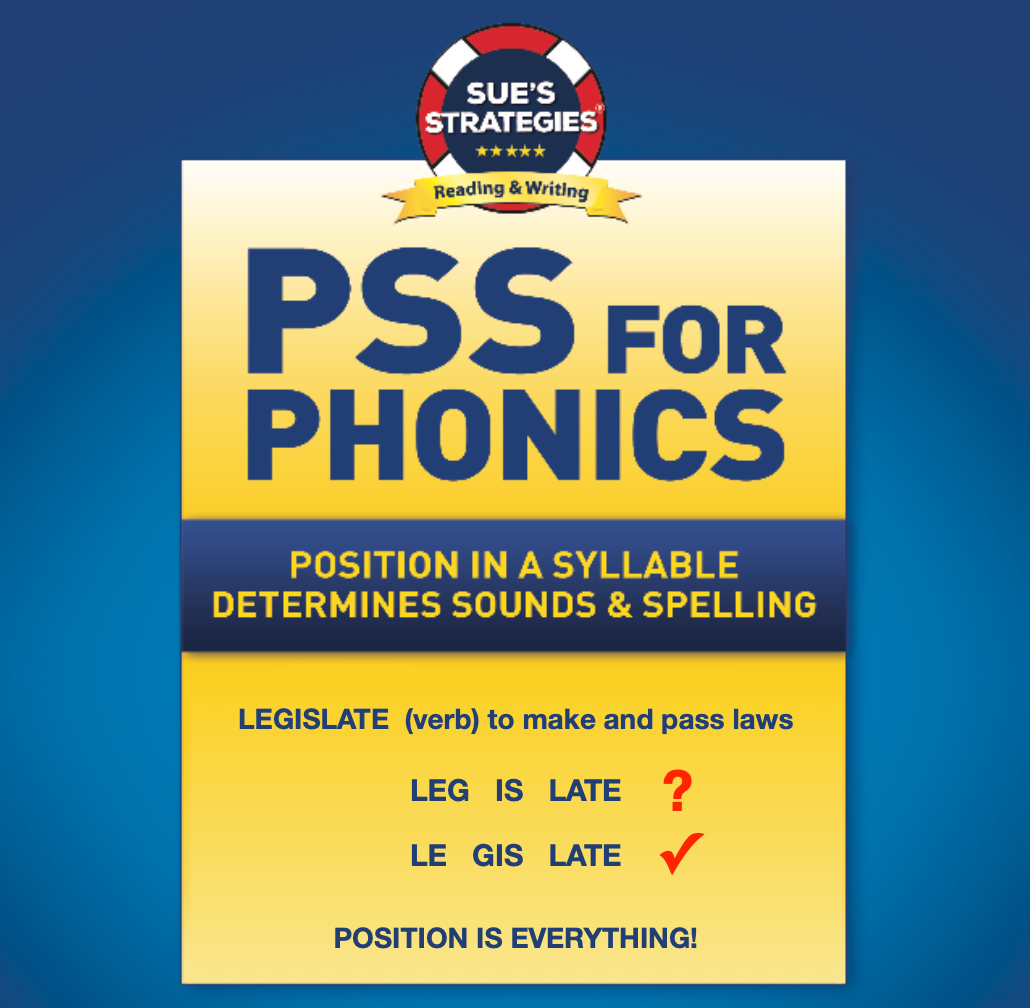
POSITION IN A SYLLABLE DETERMINES THE VOWEL SOUND.
If only 1 vowel ends a syllable, the 1 vowel says its alphabetic name:
like SHE, GO, HI, HA LO, E MU, PO TA TO.
If the single vowel does not end the syllable, the 1 vowel makes its other, short sound such as: us, bus; in, wins; lap, claps; en chant; ob ject, in ves tor; mis trus ted.
Memorize the short sound for each vowel with multi-sensory methods such as:
A when not last makes an “ _“ sound like Sam Can Catch.
The sentence proves the concept.
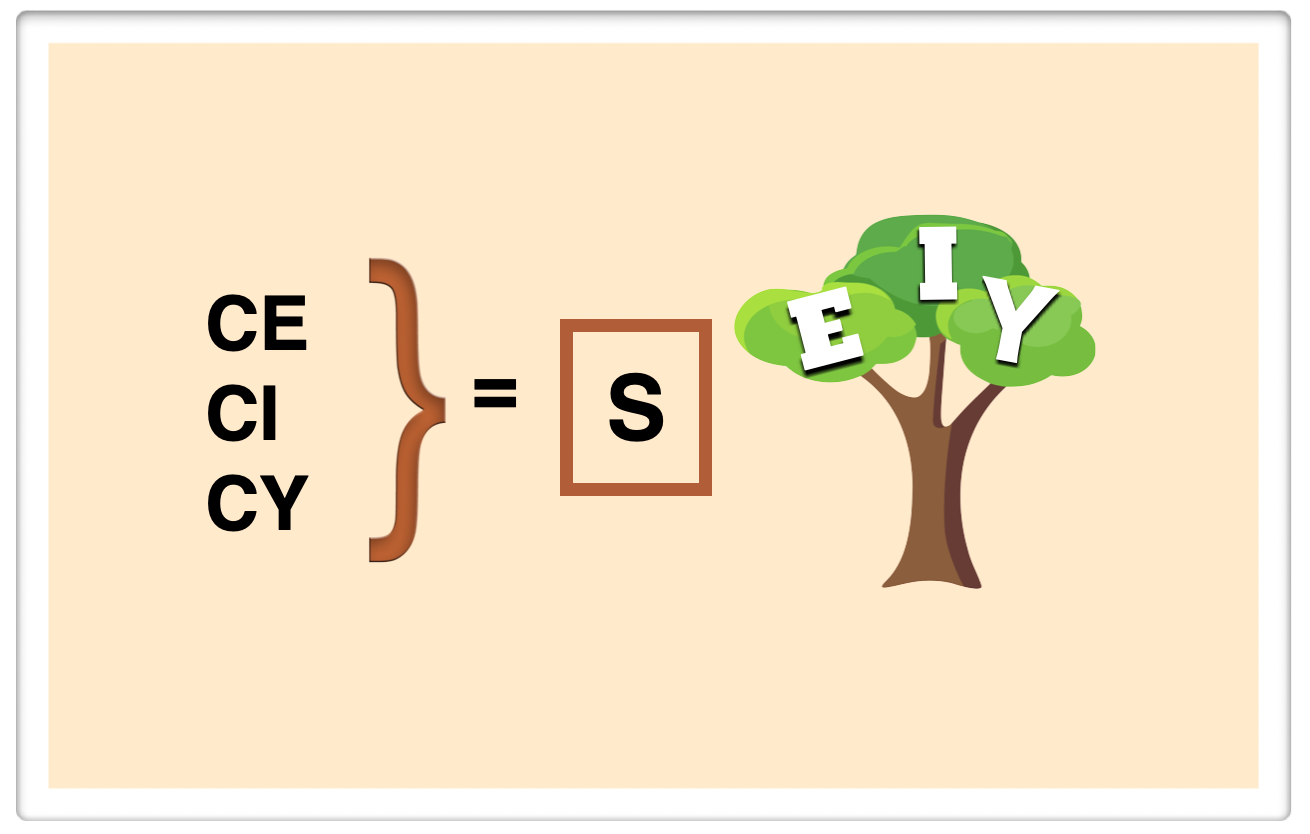
C MAKES TWO SOUNDS: K LIKE CAT AND S LIKE CELL
HOW DO WE KNOW WHICH SOUND TO CHOOSE?
THE POSITION OF THE LETTER C DETERMINES ITS SOUND.
If the letter C precedes the vowels E or I or Y, then the C makes an S sound like: Cycle to the City Center.
All other C’s will make a K sound such as: A cute cat costs little, climbs well, and creates love.
The C strategy enables readers who know syllabication strategies to read the following sentence:
Concentric circles represent the Olympics.
Y MAKES 4 SOUNDS, AND 3 ARE VOWEL SOUNDS!
HOW DO WE KNOW WHICH SOUND TO CHOOSE?
THE POSITION OF THE LETTER Y DETERMINES ITS SOUND.
ONLY IF Y BEGINS A WORD WILL THE Y MAKE THE CONSONANT SOUND OF “YA” LIKE: YES, YELLOW, YO-YO.
Y MAKES 3 VOWEL SOUNDS
When Y ends a multisyllabic word ( 2 or more syllables), this ending Y almost always makes an E sound: happy bunny; crazy artistry, icy & wintery.
When Y does not end a syllable, it sounds like the I in Jim such as:
gym, myth, nymph, syn o nym, hym no dy.
All other Y’s will make an I sound like Hi:
- 1-syllable words ending in Y make an I sound: Try my cycle.
- Any beginning or middle syllables ending in Y will usually make an I sound: dy namic, cy clone, hy per, py thon.
- The suffix, FY, makes an I sound: simplify and clarify.
- The Y-consonant E syllable makes an I sound: Type some rhymes.
I teach all my students, including first graders, these basic phonetic facts plus others. As a result, my students can decode words with at least 90% accuracy within one school year. I pray that you will teach your students to make phonetic, evidence-based choices when reading. Then you have given them the gift of independent learning.
A win-win for all!
Recent Posts
Reading
See the Bundle

Spelling
See the Bundle

Grammar
See the Bundle